If you’ve outgrown your apartment and want to stop paying rent, asking the right questions is the first step toward homeownership. Pre-approval can feel intimidating, but if you know what to ask a lender, you’ll get clear answers and avoid surprises. These six questions give you a strong starting point.
What loan options do I qualify for?
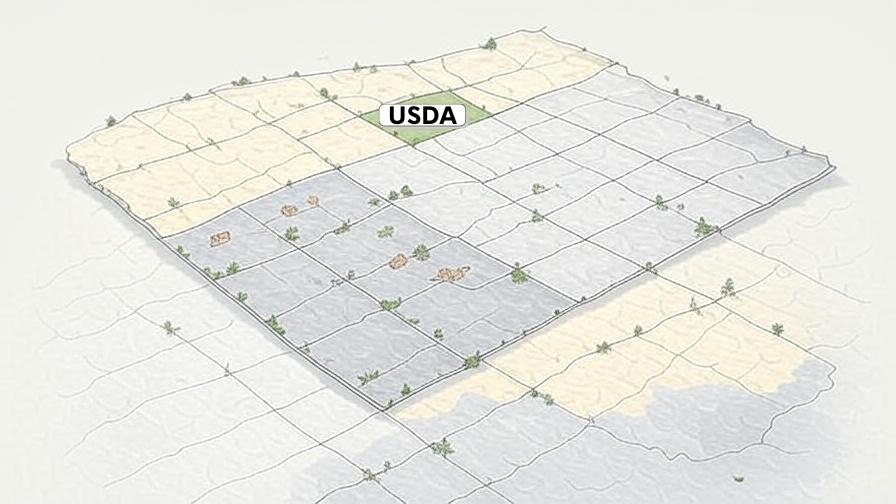
Lenders can offer conventional, FHA, VA, USDA, and jumbo loans. Each has different credit, down payment, and insurance requirements. For example, FHA loans are popular with first-time buyers because they allow as little as 3.5% down with flexible credit standards, while VA loans can be zero down if you’re eligible. Asking this question early helps you compare your choices side by side.
Want to see how credit affects these choices? Read The Costly Truth Behind Your Credit Scores in Raleigh Homes.
What interest rate will I get, and why?
Your rate isn’t random. It’s tied to your credit score, down payment, loan type, and current market conditions. For example, two buyers could purchase $400k homes in Raleigh the same week—one with a 740+ credit score might pay 6.6%, while another with a 660 score could be closer to 7.2%. That’s a $150–$200/month difference. Understanding how your profile shapes your rate helps you plan smarter.
For a breakdown of how rates are actually set, see The Truth About Mortgage Rates.
What fees and closing costs should I expect?
Beyond the down payment, you’ll face fees for appraisal, loan origination, title, and more. These typically add up to 2–4% of the loan amount. On a $350k Raleigh home, that’s $7,000–$14,000 in closing costs. Asking your lender for a Loan Estimate (LE) gives you a line-by-line breakdown so you know exactly what’s due at closing.
How much do I need for a down payment?
It’s a myth that you need 20% down to buy. Some programs allow as little as 3% down ($12,000 on a $400k home). USDA and VA loans already offer 0% down if you’re eligible—USDA for qualifying rural areas and VA for military service members and veterans. On top of that, North Carolina has down payment assistance (DPA) programs that can cover part of your required funds if you meet income and property guidelines.
Your lender can run side-by-side comparisons to show how 0%, 3%, and 10–20% down change your monthly cost. For many first-time buyers, the right balance is using the lowest down payment possible while keeping reserves in savings for emergencies.
What credit score do you require?
Many lenders set 620 as a baseline, though higher scores open doors to better rates and lower insurance costs. For example, a buyer with 740 might save over $50,000 in interest compared to someone just over 620, even if both buy the same Raleigh home. If you’re not sure where you stand, ask your lender to walk through how your score affects both approval and monthly cost.
For more on this, check Essential Credit Tips for Homebuyers.
What is involved in the pre-approval process?
Pre-approval means giving your lender pay stubs, W-2s, bank statements, and ID so they can verify your income, assets, and debts. Most lenders return a letter within a few days. This letter tells sellers you’re serious and shows your shopping range. Think of it as your “license to hunt” in Raleigh’s competitive market.
FAQ
Lenders may offer fixed-rate, adjustable-rate, FHA, VA, USDA, or jumbo loans. Each comes with unique requirements based on your credit, income, and goals.
Your rate depends on credit score, down payment, and market conditions. Higher scores usually secure lower rates.
Closing costs typically run 2–4% of the loan. Ask your lender for a Loan Estimate so you know the exact breakdown.
Some loans require as little as 3% down. USDA and VA loans already allow 0% down if you qualify, and North Carolina DPA programs may help cover part of your down payment. Larger down payments reduce monthly costs but aren’t always required.
Many lenders want at least 620. Higher scores (680+) expand your options and reduce costs.
You’ll provide financial documents like pay stubs and bank statements. Most lenders can issue a pre-approval letter within days.
Want a plan that matches your timeline?
I’ll work up loan options that fit your goals, needs, and qualifications—so you’re never squeezed into the wrong program. Clear paths. Real numbers. Calm decisions.
Prefer to talk? 984-289-6479 · wolff@michaelthebroker.com